Friday, 24 May 2013

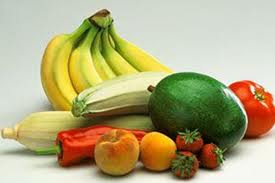
Health Benefits of Tomatoes and It's Juice Benefits


Tomatoes are not only sweet in taste but also has many important food for human health. Tomatoes are the second most ripped agricultural fruit or vegetable on the earth. It is dark red to orange, light green
to yellow in color and round in shape. It is the delicious, juicy and full of antioxidants and nutrients. It is used as raw, salads, cooking, sauce, paste, soup, juices and ketchups. Due to its high acidic content, it is the perfect food for canning. Tomatoes are the rich source of dietary compound named lycopene, which is the one of the best powerful antioxidant that helps to prevent many health conditions which are explained below. It also contains Vitamins A, C, K, folate, thiamine, niacin, vitamin B6, magnesium, phosphorus, copper and potassium.

So enjoy to check out the amazing health benefits of tomatoes and its juice here.

  • First of all the presence of lycopene helps to protect your cells by free radical damages and increase the aging process to look younger. It also helps to protect from DNA damage which is responsible for the development of prostate cancer,
  • It also contain another powerful antioxidant named glutathione, which helps to speed up the immune system.
  • Regularly consumption of tomatoes helps to improve skin texture to get a beautiful and glowing skin naturally. It also helps to protect from UV rays, reduce wrinkles and black heads.
  • Tomatoes are the excellent source of carotenoids, beta-carotene and vitamin C, which helps to protect from colorectal, gastric, breast, endometrial, lung, prostate, and pancreas cancer. Vitamin C is also necessary food for the formation of collagen, a connective tissue in human gums, muscles and skin.
  • The presence of folic acid (Folate) and iron helps in the production of red blood cells.
  • It is very low in sodium, fat and cholesterol, so it is the another best food for weight watchers.
  • It also contains Vitamin A, which is necessary for your eyes, skin and hair health to prevent for macular degeneration, night blindness and helps to keep your hairs strong and shiny.
  • The presence of potassium helps to protect form high blood pressure, high cholesterol, strokes, and heart disease.
  • It also contains vitamin K and calcium, which helps to strengthen the bones and lycopene helps to improve bone mass to fight against osteoporosis.
  • Tomatoes are the excellent source of chromium that helps to regulate the blood sugar and keep it balance.
  • According to studies if tomatoes are eating without seeds, it can helps to prevent from the formation of kidney and gall bladder stones.


Wednesday, 22 May 2013

The Effects of Too Much Protein in the Diet


For years carbohydrates have received a bad rap, steering dieters toward high protein diets. When dieters first increase their protein and eat few or no carbohydrates, they often see the scale go down
quickly. However, it is usually water weight and not fat that is lost. Dieters should learn that eating too much protein is not healthy, causing medical concerns. With all the hype of high protein diets, there are also red flags regarding too much protein.

Side Effects of Excess Protein Intake

People consuming extra proteins have chances of suffering from kidney problems. Excess protein in the diet puts stress on the kidneys making its functioning difficult. The kidneys have to work extra hard to filter out those extra proteins. This additional protein can cause strain on your organs and can give rise to kidney stones. The problem of kidney increases with age.

If large amount of carbohydrates and less amount of fats are consumed, then it can lead to less amount of fiber and thus, too much protein can cause constipation. Lack of fiber can also cause polyps, hemorrhoids and in worse case, colon cancer. Other side effects are, being affected with diseases related to heart and obesity.

One of the important side effects is, accumulation of ketones in the blood. It is also referred to as ketosis. Ketosis leads to dehydration to some extent. Along with flushing out of proteins, the kidney also excretes water which leads to dehydration and may make you feel weak and tired.

The more protein you consume, the more calcium is required by the body. If it does not get the minimum required calcium, then it leeches the calcium from your bones. This leeching of calcium from the bones can cause osteoporosis in which, the bones tend to become brittle and they break off easily.

Along with the above-mentioned problems, other side effects are hypertension, dizziness, fatigue, headache and nausea. Few side effects are, different kinds of allergies and problems in the wrist, especially in woman. It tends to increase the content of acid in the blood.

Tuesday, 21 May 2013

How to Lose Weight With Coconut Oil

Many dieters and nutritional experts are turning to coconut oil for its incredible benefits. Many wish to lose weight with coconut oil, and others simply want the nutritive health benefits of the essential fatty acids
contained in coconut oil. Coconut oil is an excellent oil and can be used in baking, cooking and sautéing. Many also eat coconut oil raw as a supplement, and add coconut oil to smoothies, shakes and other drinks. Read on to learn how to lose weight with coconut oil.

Coconut Oil for Weight Loss 
Have you ever wondered why your body needs fat? The basic function of fats in the human body is to aid the production of omega-3 essential fatty acids, hormones and cellular membranes. In short, just like carbohydrates, fats are also required for many important bodily functions. There is a very common misconception in the minds of the people regarding fats and their different effects. The types of hydrogenated fats are the ones that generally add to your weight and make you look fat or obese. Many scientists have advocated the use of coconut oil and balanced intake of nutrients for a healthy body.

Benefits of Coconut Oil
The best way to use coconut oil is to simply use it in foods . You can also try some healthy cooking oils for this purpose. Here's how coconut oil works for natural weight loss.

As mentioned above, your body needs the appropriate amount of fat. This fat is needed to execute some very important functions, that are listed down below.
  • Help the respiratory system to burn the calories that are deposited throughout the body.
  • Produce hormones and cellular membranes.
  • Properly absorb and assimilate all the minerals that enter the body.
  • Absorb and assimilate all fat soluble vitamins, like vitamin A and D.
  • Enhance the metabolism of the body.
Coconut oil is basically a source non-hydrogenated fats. Hence if the intake of the hydrogenated fats is substituted with that of coconut oil, then the functions of the fats are fulfilled by non-hydrogenated fat.

Monday, 20 May 2013

Is It Safe to Eat Papaya During Pregnancy?

A woman never glows more than when she's carrying a baby. Being pregnant is God's greatest gift to women, and it is our duty to make sure that we take good care of this wondrous gift handed to us. This involves eating right. And when it comes to a healthy pregnancy diet, one of the most confusing food items is papaya. Women are constantly asking themselves, "Can we eat papaya during pregnancy?" Well, read this article to find out.

Papaya

The papaya (Carica papaya, genus: Carica) is one of the most delicious and healthy fruits. It was planted for the first time in Mexico but is now seen in many tropical countries. The whole papaya tree can be used for different things. Its stem can be used to make ropes. The leaves are made into tea in some parts of the world. The fruit has the maximum uses though. The ripe fruit can be eaten raw. It is used as a remedy to ease digestion. The unripe fruit can be cooked and eaten. The seeds can be ground and used as a substitute for black pepper. The latex in the unripe fruit is used to soften meat while cooking. 

Eating Papaya During Pregnancy
Papaya has properties that can induce problems in childbirth like miscarriage or abortion. To discuss this further, both the sides of the issue must be known.

Benefits
Read ahead for some of the reasons why eating papaya during pregnancy is a good prenatal care measure.
  • Indigestion is a common problem that pregnant women face. To help ease the trouble caused by the indigestion, papaya is highly recommended.
  • Papaya is rich in vitamins. The raw skin of papaya has large amounts of vitamin A and vitamin C.
  • Besides these, papaya also is very effective against other digestive problems like inflammatory bowel syndrome or heartburn.
  • Slightly unripe papaya is used as a natural method to induce labor towards the final stages of pregnancy.
Adverse Effects
Here are some of the reasons why eating papaya during pregnancy is avoided.
  • It is safe to eat only ripe papaya during pregnancy. The enzyme that soothes indigestion is called papain.
  • However, care must be taken that only fully ripe papaya is eaten. Even slightly unripe papaya has a latex like substance in it. This latex substance acts like prostaglandin and oxytocin which are generally used to induce labor.
  • Consuming papaya during the early weeks of pregnancy should be avoided unless you are absolutely sure that it is fully ripe.
  • This is because eating unripe papaya during the early stages of pregnancy may induce early labor and in some case, even miscarriage.
  • Hence, papaya is generally avoided by most women as a precautionary measure.
  • These were some of the benefits and ill effects of eating papaya during pregnancy. Hope this article has cleared your doubts. Make sure you eat healthy during pregnancy. You'll be rewarded with a bundle of joy and you will cherish the entire experience forever!

High protein foods to gain weight


Protein intake is essential for that normal functioning of our body. It will help in synthesizing various enzymes and hormones and building immunity against various infections, blood clotting and diseases. Proteins are the basic building block of our body; it's important for the growth, development and repair in our muscles, skin,
hair, nails, bones and cartilage. An avid strength trainer, bodybuilder and a marathon runner, generally, consumes high protein foods because it helps in the building and maintaining of muscles plus the workout regime.

Eggs

Eggs are an indisputable part of any weight gain diet. They contain complete proteins and are easy to digest. Remember that eggs are Mother Nature's way of providing new life with all it needs to grow and develop. The biological value of eggs is over 90, so the body finds it easy to build new muscles from egg protein, as would be expected. You can hard boil some eggs and carry them around as a snack. The only disadvantage is that they have a high cholesterol content. you should see your doctor before indulging indiscriminately in eggs. Or avoid the yolk, which is where the fats are concentrated, and eat just the whites.

High protein snack food

boneless skinless chicken breasts sliced thinly, then grilled will cook in just a few minutes. (overcooking will make chicken breast dry and chewy) Adding some lo-fat cheese makes a tasty high protein snack on whole grain breads. Also you can add a little BBQ sauce or mustard, lettuce and/or tomato.

Red Meat

Red meat has unjustifiably acquired a bad reputation as an unhealthy food choice. This is because of its high saturated fat content. To avoid this, eat lean cuts of red meat. The meat could be beef or venison. To be on the safe side, don't gorge on red meat. Try to eat it not more than two times in a week. It is calorie dense but 
has a lower biological value (70) than eggs.

Milk and Dairy Products

Milk is surpassed only by eggs as a weight gain food. It has a high biological value ranging from 80 to 90, and like white meat, is available all year round. Milk and other dairy products have a lot of saturated fats, so you should stick to low fat milk, skimmed milk and other fat-reduced diary products. The only major disadvantage of dairy products is that some people are allergic to them.

Saturday, 18 May 2013

Diet to Beat Stress

Can eating really relieve anxiety and stress? Is there anything like anti-stress foods? The reply is yes. Eating healthy has a crucial role to cope with stress. Eat when you’re stressed, but ensure that you grab only stress-fighting foods.

Diet to conquer Stress: Combination of Cottage Cheese and Fruit
Foods that aren’t packed with sugar, but are high on protein can result in an increase in blood sugar levels.
So, mix cottage type cheese, which is high in protein and calcium, with fruit/s which are high in Vitamin C, such as oranges. Ascorbic acid present in orange will fight toxins, which release when you are working under stress.

Diet to conquer Stress: Asparagus
Asparagus is at the top of folic acid and can therefore, assist in stabilising mood swings that are common when you're under stress. Like other stress-relievers, asparagus also stimulates secretion of serotonin within the brain.

Diet to Beat Stress: Green, Yellow and Orange Vegetables
Producing serotonin in the brain is highly determined by our diet. Eating green, yellow and orange veggies may enhance brain’s serotonin secretion. For the reason that of an improved absorption from the amino acid L Tryptophan present in these vegetables the serotonin secretion levels improve. Conversely, despite the fact that meat contains safer forms/levels of L Tryptophan, it doesn't match up to the absorptive ability from the acid present in veggies. So, choose veggies over meat, especially during stressful times.

Diet to conquer Stress: Fish
Fish is full of omega-3 fatty acids that block the discharge of the stress hormone, cortisol. Subsequently, it cuts down on tension in the nerves and calms mind. Many studies indicate that high consumption of fish results in decrease in the incidences of depression along with other mental health conditions, such as Alzheimer's. So, eat fish and have the magic of the archenemy of stress: omega-3 essential fatty acid.

Diet to Beat Stress: Oatmeal
Oatmeal is full of carbohydrates, which stimulates the brain to create more serotonin. In fact, the greater slowly your body absorbs the carbohydrates, the steadier may be the flow of serotonin. You'll be with reduced chances of snapping people minimizing stress levels.

Diet to Beat Stress: Spinach
Spinach is full of magnesium. If our body doesn't get enough of magnesium, it may trigger migraine, which may automatically make you feel fatigued and cranky. So, add spinach for your diet by slipping in some leaves inside sandwiches or sprinkling on them salad.

Diet to Beat Stress: Oranges
Suppose you wake up early in the morning for income interview freaking out nervously. To beat stress at such reason for time, pour orange juice inside a glass and drink it. Undoubtedly, orange is a superb source of Vitamin C and acts almost magically in lessening the stress hormone levels.

Diet to conquer Stress: Milk 
  • Skimmed milk is really a terrific way of managing stress. Milk has tryptophan, which will help in making serotonin in the body and stabilising mood.
  • Warm milk will help you battle insomnia and restlessness. Moreover, fits and tension are struck by helping cover their the calcium present in milk.
  • Antioxidants, vitamin B12 and B22 contained in milk remove free radicals related to stress.
Diet to Beat Stress: Almonds, Pistachio and Walnuts
Crunch and crush some almonds to obtain aggression out of you. Almonds are full of vitamin B2 and E, magnesium and zinc. The very first two are primarily accountable for secretion of serotonin, a hormone which induces a sense of well-being while zinc helps fight stress. Vitamins B2 and E prevent occurence of diseases brought on by stress such as cardiovascular diseases by fighting the disposable radicals associated with stress.

If you don't like almonds. munch on walnuts and pistachios. When stress invades your peaceful frame of mind, the hormone adrenaline raises hypertension. Pistachios and walnuts when this occurs can be eaten to relieve the center from working too hard by reducing high blood sugar levels.

Diet to conquer Stress: Avocados
Potassium and monounsaturated fats contained in avocados help in lowering blood pressure levels. Based on the National Heart, Lung, and Blood Institute, avocados would be best to eat to keep a thorough check up on blood pressure.

Thursday, 16 May 2013

How To Identify Symptoms Of a Stomach Virus


Stomach virus or viral gastroenteritis is really a stomach flu that can affect people of age groups. Stomach viruses are recognized for disrupting the cells that fall into line the small intestine, thereby causing severe cramping and pain. It shouldn't be mistaken for the regular flu or infection, if not treated on time, stomach
virus can result in some serious health concerns. A stomach virus is brought on by parasites such as cryptosporidium and giardia, and few bacteria for example E.coli, shigella and salmonella. There are many common the signs of a stomach virus that occur within 4 to Two days of getting exposed to bacteria or eating a contaminated food. These symptoms generally continue for 2-4 days. This article will provide you with different indications of stomach virus.

Signs & The signs of Stomach Virus

  • Vomiting is easily the most common symptom of any virus. Therefore, like a sign of stomach virus, note regardless if you are experiencing nausea or not. If you're vomiting too much, chances of being have contracted a stomach virus run high.
  • Observe regardless if you are suffering from diarrhea. It is among the common symptoms of stomach virus. If you're experiencing watery diarrhea, it may be quiet harmful for you.
  • Hot temperature is also one of the commonly seen the signs of stomach virus, although it is not needed that a person infected with the ailment has rising body's temperature.
  • Excessive abdominal cramping can also be one of the symptoms of a stomach virus. If you're experiencing abdominal pain or perhaps an upset stomach sensation, it may leave you feeling queasy and sick. In the event of sharp stomach aches, you should seek immediate medical attention, as it can be something more serious.
  • Headaches, along with the feeling of dizziness, may also be one of the signs of stomach virus. If you suffer from from continuous headaches and complaining of dizziness from time to time, it is better to consult your doctor and obtain a check-up done.
  • Weakness, fatigue and exhaustion are also symptoms that are seen in case of stomach virus. When you get exhausted more than usual, there is definitely a problem with you and you might need medical intervention.
  • There isn't any harm in drinking great deal of water, but if you feel thirsty despite consuming enough water, then most likely you might be infected with a stomach virus, as excessive thirst is among the common symptoms of stomach virus.

Tips for prevention

  • Avoid drinking tap water and try to consume bottled water or standard water while traveling, as water-borne parasites may be one of the primary reasons for stomach virus.
  • Eat properly cooked food and ensure to wash your hands properly before handling fresh foods. People with sensitive stomach also needs to avoid uncooked fish products and under cooked meats, because these contain some amount of bacteria which could cause stomach virus.
  • Develop good hygiene habits. Having good hygiene is essential for a person to stay away from any kind of viruses. Keep the nails clean and trimmed. Wash both hands thoroughly after going to the washroom. By these simple measures, you can definitely prevent contracting or spreading a stomach virus.
  • Any type of food allergy like allergic reactions to seafood, shellfish, peanuts or wheat ought to be immediately addressed by a doctor. Consulting a physician will not only help you follow a healthy meal chart provided by him, but will also curb down any more risks.